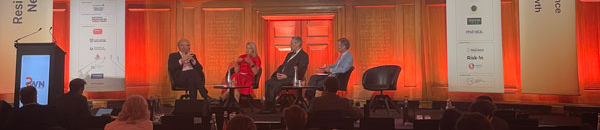
Resilience First attended the Resilience World Nexus Summit as a supporting partner, joining discussions that explored a recurring question: how do organisations know whether they are resilient and whether their resilience is improving?
Across the sessions, a common theme emerged: resilience needs clear purpose, meaningful measures and ownership throughout the organisation.
Resilience First Executive Director Rick Cudworth delivered a masterclass on measuring business resilience, outlining three complementary approaches:
- Capacity: what resources and buffers does the organisation have?
- Capability: what can it do with them?
- Maturity: how embedded is resilience within the organisation?
Together, these offer a fuller picture than any one approach alone. Maturity assessments help organisations understand progress, but they need to sit alongside evidence of what an organisation can withstand and how effectively it can respond.
A key message from the masterclass was that much of the data needed to measure resilience may already exist. Cash reserves, stock levels, staff turnover, cross-trained employees and operational headroom can all provide useful insights. The challenge is to connect that information to the outcomes that matter.
For example, if a critical site becomes unavailable, how much of its workload could other locations absorb? If essential staff are absent, what cover is available? These practical questions make resilience relevant to business decisions.
A related point emerged in one of the panel discussions: numbers help tell the story of why resilience matters. Connecting indicators such as cash reserves, staff availability and recovery times to business outcomes can help secure leadership attention and support for investment. The value lies in explaining what the figures reveal, why that matters and what action is needed.
Rick also highlighted the importance of distinguishing between a desired target and a minimum acceptable threshold. Agreeing that threshold prompts a harder conversation: how much pressure can an organisation tolerate before essential outcomes are put at risk? These indicators become valuable when they inform decisions and trigger action.
The wider summit discussions reinforced the need for leadership to establish what the organisation must protect. Before debating reporting lines or governance structures, boards need to consider which services and commitments matter most, including their responsibilities to customers and wider society.
Shared ownership was another recurring theme. Organisations already have elements of resilience within risk management, security, business continuity and everyday operations. Connecting these requires a clear mandate and the involvement of the people who understand the services, dependencies and data.
For organisations looking to strengthen their resilience, the discussions offered a practical starting point: identify the outcomes that matter most, use a balanced set of indicators to understand the current position, and agree what action to take when those indicators signal concern.
No single score can prove that an organisation is resilient. But the right evidence can help leaders ask better questions and act before vulnerabilities become disruption.