Access was disrupted, but the deliveries kept moving.
Several days before a forecast storm, a logistics company redirected incoming deliveries away from a distribution centre at risk. When access to the site was disrupted, the company continued making deliveries from its other sites. Decisions made before the storm gave the business options when it arrived.
For a small business, those options matter. Lost trade can quickly become a worry about paying staff, meeting bills and keeping customers. A disruption that lasts a few hours is one thing; several days without power, deliveries or access to premises can put livelihoods under pressure.
Yet finding time to prepare is difficult when the working day is already full. Owners juggling wages, suppliers and customers may have little capacity left for a continuity plan. Advice needs to recognise that pressure and offer a manageable starting point.
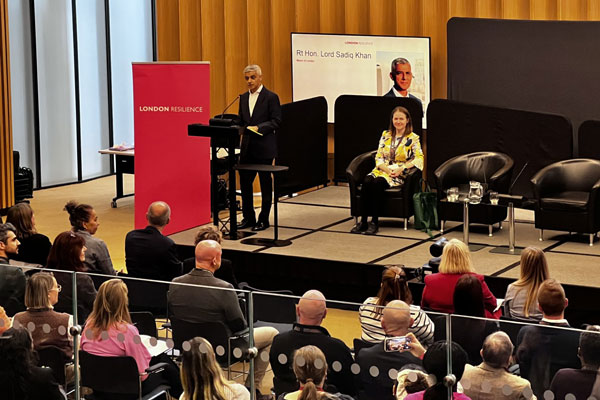
That challenge brought business networks and local authorities together at our recent Business Resilience Forum in London, marking the launch of Phase 3 of the London Business Networks for Resilience (LBNR) programme. Its purpose is to support networks to embed resilience in the SMEs they represent and strengthen connections with local authorities.
Often, the first step is finding the weak link. Identify where the business depends on a single supplier, delivery route or energy source. Consider what could happen if it became unavailable, and what alternatives might allow trading to continue safely.
The missing link can also be a person. After a town-centre fire, a business improvement district (BID) found that missing landlord contacts complicated efforts to secure buildings and arrange access. Existing relationships with the council and emergency services helped, but recovery also depended on reaching the people responsible for the premises.
Preparation becomes more manageable when it fits into existing work. Setting aside 30 minutes a day could mean checking a supplier’s backup arrangements, updating contacts or adding a disruption scenario to a staff meeting. Cyber security offers another tangible starting point: hospitality businesses have used accessible guidance to recognise threats and prevent potential harm.
A short checklist can give people something useful to follow under pressure. It should set out essential activities, contacts, backup arrangements and what staff need to do. Keep an accessible paper copy and test the plan together. Could someone use it if the owner were unavailable or communications failed? Reviewing business interruption insurance with an insurer or broker also helps clarify what is covered and where the limits are.
Business networks and BIDs can make these steps easier. They can organise exercises, share guidance, and help members connect with reliable information. Links with local authorities and Borough Resilience Forums can strengthen that support. Newsletters and emergency alerts help businesses stay informed; early, honest updates to staff, customers and suppliers help them manage expectations.
One BID had already built relationships with building owners and established a WhatsApp group for sharing local alerts. Those connections gave businesses a way to keep one another informed about emerging issues. Networks can also preserve lessons from incidents so that the next business benefits from what others have learned.
Resilience can grow from decisions made for other reasons, too. A small business switched 15% of its fleet to electric vehicles as part of its sustainability ambitions. When diesel prices later rose, electricity bought on a fixed tariff kept charging costs predictable for those vehicles. The investment brought an additional resilience benefit.
Small businesses also bring strengths of their own. During the pandemic, smaller logistics operators demonstrated agility that larger organisations could learn from. Community relationships can support recovery, too: local businesses affected by fire received public donations, encouraged by regular, transparent communication about their circumstances.
The company that kept deliveries moving through flooding had created alternatives while there was still time to act. For other businesses, that first step might be a tested checklist, a backup supplier or a contact who answers when help is needed. Business networks and local authorities can make those options easier to find.
If your business network or local authority is not already part of LBNR, sign up here.
This article draws on examples shared at the Business Resilience Forum, hosted at Control Risks in London. The LBNR programme is supported by Everbridge and delivered in partnership with the London Resilience Unit, part of the Greater London Authority.
During the forum we previewed Be Ready London, a regional guide that the London Resilience Unit will launch in December 2026. The guide explains the risks that could affect London, their potential impacts, and the steps individuals, communities, organisations and businesses can take to prepare and respond. It complements the national Be Ready campaign by bringing a London focus to emergency preparedness.